
From High Desert to Humid Tropics: Houseplants That Thrive in Any Apartment Climate
There is nothing quite like the touch of nature to make an apartment truly feel like home. Beyond their air-purifying qualities, indoor plants add vibrant color, texture, and a sense of calm to our living spaces.
But if you’ve ever brought home a gorgeous green addition only to watch it struggle a few weeks later, you know that indoor environments aren't all created equal. Depending on whether your apartment is situated in a naturally arid, sun-drenched climate or a warm, coastal environment with higher ambient humidity, your indoor microclimate changes how your plants breathe and drink.
The secret to a thriving indoor jungle isn’t a magical green thumb—it’s matching the right plant to your region’s specific indoor environment. Here is a guide to the best houseplants for both climates, plus the universal MVPs that look stunning anywhere.
The High-Desert Haven: Best for Arid & Sun-Drenched Interiors
In drier regions like the American Southwest, indoor air tends to stay crisp and low in humidity, while the sunlight streaming through the windows can be incredibly intense. The key here is choosing resilient plants that store water efficiently and don't mind a little extra sunshine.
1. The Jade Plant (Crassula ovata)
With their thick, woody stems and plump, glossy leaves, Jade plants look like miniature trees and add an instant architectural element to your shelving or windowsills. Because they are succulents, they retain water in their leaves, making them incredibly forgiving if you occasionally forget a watering cycle. Give them plenty of bright, direct light.
2. Zebra Haworthia (Haworthiopsis attenuata)
If you love the striking look of an aloe plant but want something compact for a desk or countertop, the Zebra plant is perfect. It features deep green, pointed leaves adorned with distinct white horizontal stripes. It thrives in dry air and prefers its soil to dry out completely between waterings.
The Coastal Oasis: Best for Warm & Humid Environments
If your community is located in a coastal or subtropical zone like Florida, your indoor air naturally carries a bit more ambient moisture—especially during the warm summer months. While your air conditioning keeps things cool, moisture-loving tropical plants will absolutely thrive in these conditions.
1. The Broadleaf Lady Palm (Rhapis excelsa)
Unlike desert palms that crave arid heat, the Lady Palm loves indirect light and ambient indoor humidity. Its fan-like, deep green fronds give any living room an instant upscale, resort-style aesthetic. They are excellent for filling empty corners and are highly efficient at filtering indoor air.
2. The Boston Fern (Nephrolepis exaltata)
Ferns can be notoriously fussy in dry climates, but in a naturally humid region, they truly shine. With their lush, trailing fronds, they look spectacular in hanging planters or placed high on a bookshelf. Just keep their soil consistently damp and give them filtered, indirect light.
The Universal MVPs: Thriving in Any Climate
Want a plant that doesn’t care about regional humidity or changing seasons? These two design-forward favorites adapt beautifully to almost any indoor environment, making them perfect for any apartment layout.

1. The Snake Plant (Sansevieria)
As seen above in a clean, modern ceramic planter, the Snake Plant is the ultimate structural accent. Its upright, sword-like leaves add vertical drama to living room corners. Because it can handle intense southwestern sun just as easily as a shaded, humid room, it is virtually indestructible. It only needs water when the soil is bone-dry.
2. The Golden Pothos (Epipremnum aureum)
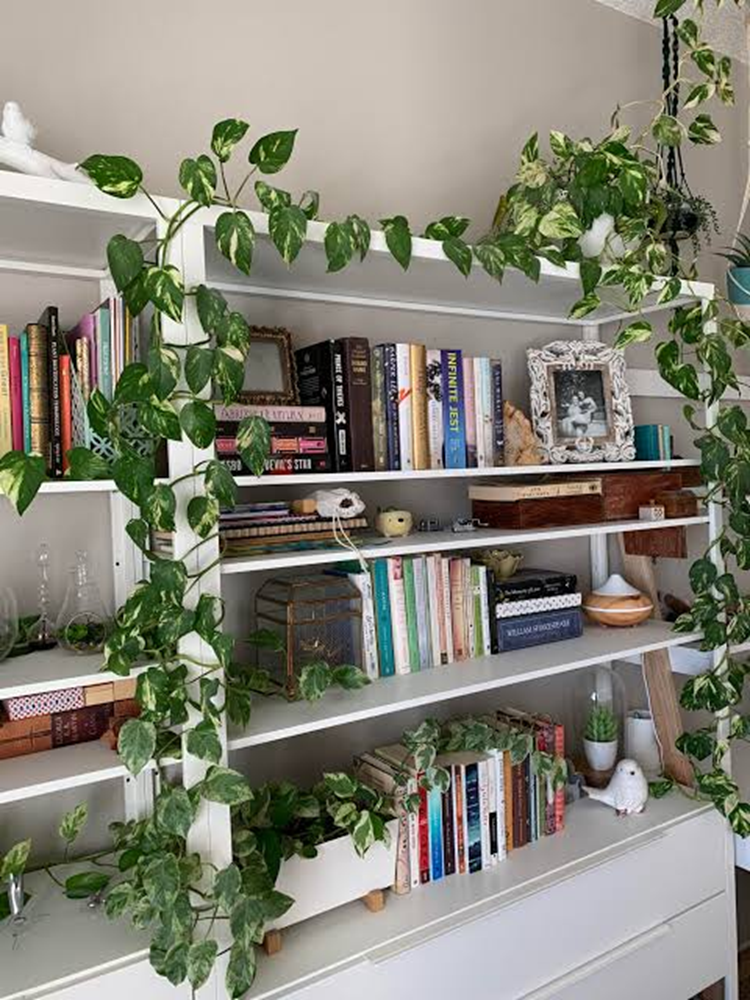
If you love the look of cascading greenery, the Pothos is your go-to. As pictured on the bookshelf, its heart-shaped leaves grow rapidly, trailing gracefully over edges to soften clean architectural lines. It easily tolerates both dry air and high humidity, signaling when it's thirsty with slightly wilted leaves that bounce right back after a quick drink.
Quick Tips for Apartment Plant Parents
Watch the AC Vents: No matter where you live, avoid placing your green friends directly in the path of your heating or cooling vents. The direct blast of moving air can shock their foliage.
The "First Knuckle" Rule: Before watering, push your finger into the soil up to your first knuckle. If it feels damp, hold off. Overwatering is the most common cause of plant stress!
Rotate for Even Growth: Plants naturally lean toward the light. Give your pots a quarter-turn every couple of weeks to ensure they grow evenly on all